
Understanding the story of Gráinne Hayes provides deep insight into how exercise physiology shapes health, science, and athletic performance. Her name stands out in sports science because her work connects real human challenges with advanced research. More people explore her career because she presents science that drives practical solutions and future innovation.
Early Academic Development of Gráinne Hayes
The career of Gráinne Hayes began in the field of sport and exercise sciences. Her early academic journey built the foundation for her later success because she studied core concepts of human physiology, health behavior, and athletic performance. After graduating, she worked in education and research environments that strengthened her scientific approach.
Next, she advanced into postgraduate research and completed a doctorate involving exercise physiology. Her PhD work explored physical activity behaviors, sedentary time, and health outcomes in young people. That period shaped her analytical thinking because she focused deeply on measurable results, accurate data, and evidence-based interpretation.
Her early research created strong pathways for her future career. She focused on activity behavior patterns and health markers. Furthermore, her interest in public health gives her reputation major importance because her studies highlight issues that affect children, adolescents, and young adults across multiple environments.
Research Interests and Scientific Focus Areas
The research interests of Gráinne Hayes include physical activity patterns, sedentary behavior, cardiometabolic health, and youth wellness. She examines how movement shapes the body, the brain, and health outcomes. Because she uses advanced methodology and validated instruments, her data helps create accurate recommendations for health professionals.
Her research focuses on measuring how people move in everyday life. She studies light activity, moderate exercise, sitting patterns, and lifestyle behavior. That approach allows her to analyze human movement through the entire day. Consequently, her work provides insights into how time spent across different behaviors affects overall health.
She studies young people because early habits influence lifelong health. This perspective allows her work to provide solutions to rising public concerns about inactivity and lifestyle imbalance. Through evidence-based measurements, her research helps health experts understand the full connection between physical activity and long-term well-being.
Contributions to Exercise Physiology and Public Health
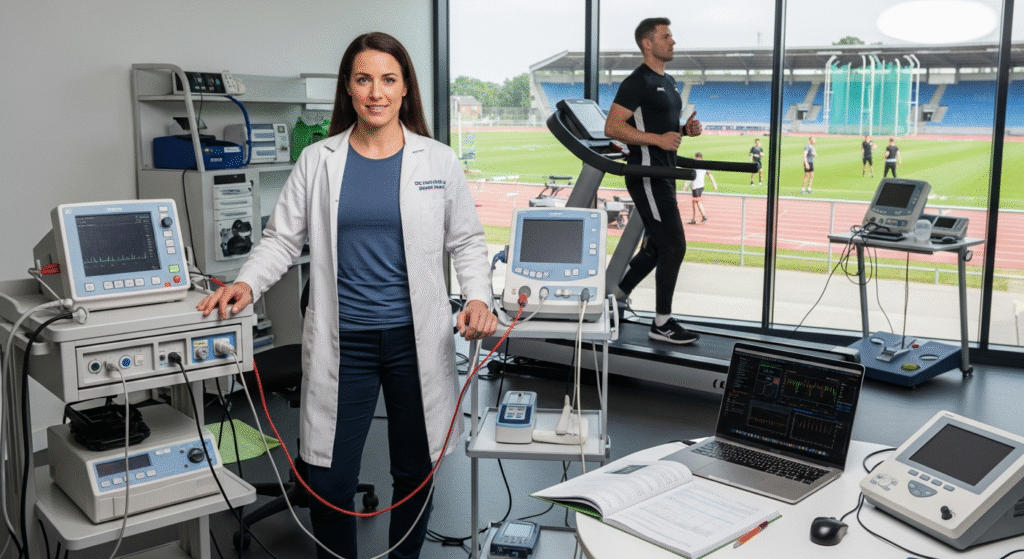
The contributions of Gráinne Hayes extend beyond traditional research settings. Her studies highlight the urgent need for daily activity, balanced routines, and reduced sedentary behavior. Because she uses both quantitative and qualitative data, her work strengthens global conversations about increasing physical activity participation.
She focuses on measurable behaviors in free-living environments. That approach gives her research higher relevance because it reflects real-life movement patterns, not controlled laboratory setups. Furthermore, she connects exercise physiology with public health, sports education, and prevention strategies.
Her research improves understanding of health risks associated with prolonged sitting. Many studies previously overlooked light physical activity, but she highlights its importance. This innovation changed how experts describe exercise, wellness, and youth development. Her ideas influence decisions in schools, communities, and policy groups.
Teaching, Leadership, and Academic Roles
The academic work of Gráinne Hayes involves teaching, lecturing, program development, and mentorship. She trains students and professionals who later work in sports science, public health, and athletic performance. Because she designs programs based on real evidence, her educational leadership builds the next generation of experts.
Her teaching methods combine theory with practical examples. Students use research-based knowledge and apply it in sports performance, community fitness, and clinical fields. That style prepares graduates for demanding roles where accuracy and scientific thinking matter.
She also manages academic programs and contributes to curriculum development. This leadership improves professional education and strengthens academic standards. Through these contributions, her impact continues to grow across universities, research teams, and performance organizations.
Innovations in Measuring Movement and Activity
A major theme in Gráinne Hayes’s career is innovation in measurement. She explores advanced techniques for tracking movement and analyzing exercise behavior. Because she understands the challenges of self-reporting, she emphasizes the importance of objective data and scientifically verified tools.
Her research introduces better ways to monitor habitual activity. That concept changes traditional thinking about exercise because it shows the value of everyday movement. Furthermore, her approach examines both physical activity and inactivity, not just one part of the lifestyle puzzle.
She uses compositional data analysis to understand movement distribution. That method studies time allocation across all activity categories. It provides a more realistic understanding of how shifting time from sitting to light exercise or moderate movement improves health.
Impact of Gráinne Hayes on Youth Wellness and Sports Culture
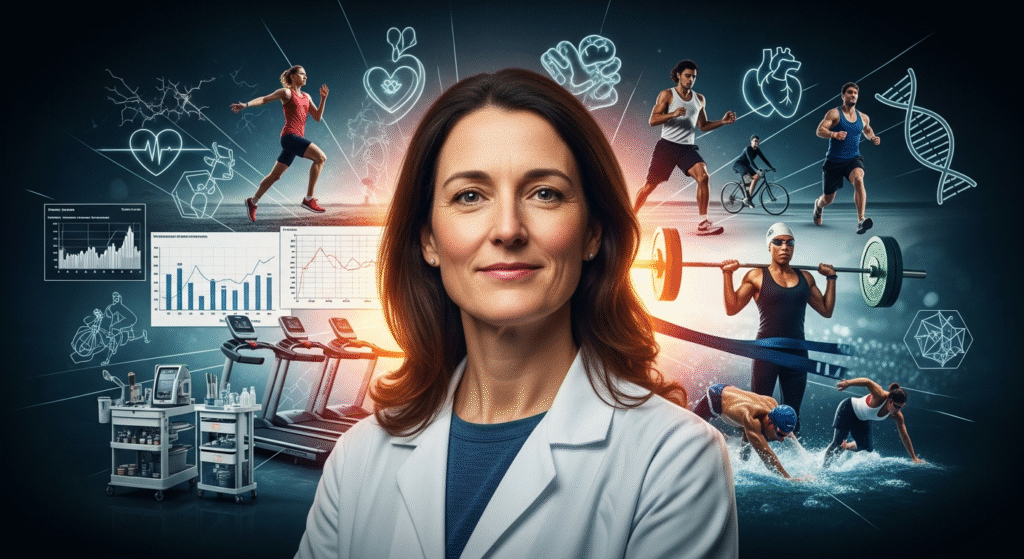
The influence of Gráinne Hayes stretches far beyond universities. Coaches, teachers, and health workers implement her findings in their practices. Because her data reveals practical solutions, her research supports programs that improve youth habits, build stronger health routines, and prevent lifestyle diseases.
Schools use her ideas to design programs for physical education and movement breaks. Communities use her recommendations when designing public activity campaigns. Healthcare professionals apply her insights when guiding patients with sedentary lifestyles.
She proves that improving health does not require extreme training. Her research demonstrates that simple routines and light physical activity create measurable benefits. Consequently, her work improves the well-being of young people and encourages balanced, active living.
Challenges Addressed by Her Work in Exercise Science
Modern society struggles with inactivity, technology dependence, and lifestyle imbalance. Many people spend their days sitting, working indoors, or avoiding exercise. The research of Gráinne Hayes responds to these challenges by offering clear, data-driven solutions.
Her work identifies barriers to movement and reveals the factors that influence physical activity. She also studies how interventions change habits and behaviors. Because she uses a scientific lens, her findings provide actionable strategies that health experts can implement immediately.
She also addresses the problem of misinterpreting health data. Traditional views emphasize only high-intensity exercise. Her research shows that all forms of movement matter. The message encourages more people to participate in daily activity because the approach is more realistic and sustainable.
Why Gráinne Hayes Matters in the Future of Exercise Physiology
The influence of Gráinne Hayes will grow stronger as global health challenges continue to rise. She provides a scientific voice in discussions about youth development, cardiometabolic health, and lifestyle behavior. Her findings offer valuable guidance for governments, educators, and wellness leaders.
Her work also transforms exercise science by highlighting the importance of light physical activity. As research expands, more experts accept this as a critical part of modern health strategies. Consequently, her ideas continue to change how society approaches health, movement, and performance.
Through mentorship, research, innovation, and teaching, she strengthens the next era of wellness science. Her voice supports preventive health, community programs, and evidence-based policies. The work she produces shapes the future of exercise physiology.
Gráinne Hayes: Leadership in Exercise Physiology
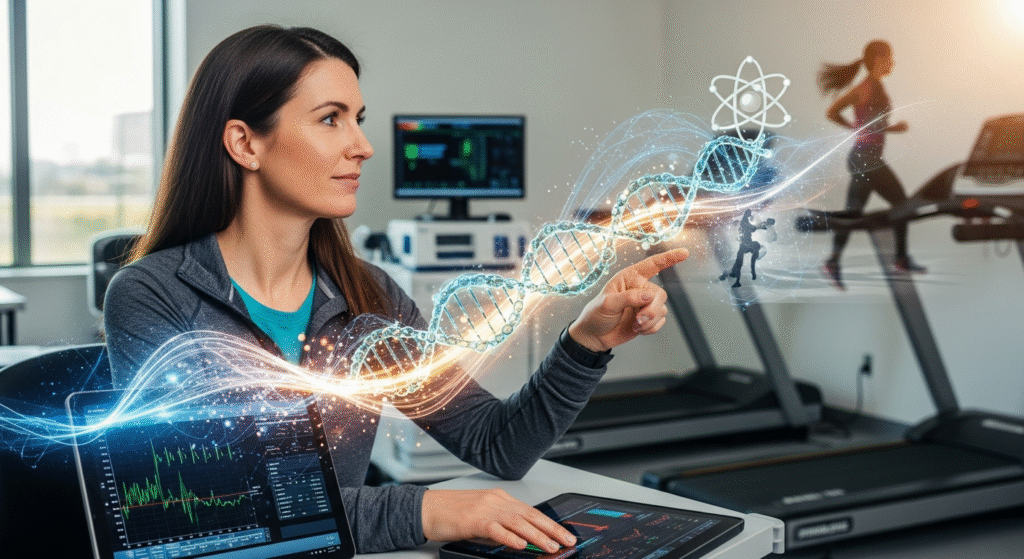
Gráinne Hayes stands out in exercise physiology because she blends scientific precision with real-world application. She investigates physical activity patterns, sedentary behavior, and cardiometabolic health. Because she emphasizes accurate data and measurable results, her research supports long-term wellness strategies that improve youth health and sports performance. Her work influences schools, coaches, and health professionals through evidence-based recommendations that guide everyday movement and lifestyle improvement.
Conclusion
The career of Gráinne Hayes represents the power of scientific research and real-world application. Her work delivers knowledge that changes how people move, think, and live. The value of her ideas continues to grow because she connects exercise, well-being, and daily behavior.
When more people learn from her research, more communities benefit from active lifestyles, better education, and sustainable health habits. If you want to improve your health, protect youth wellness, and strengthen society, explore her ideas and share these insights.
FAQs
Q1: Who is Gráinne Hayes?
She is a leading researcher and academic in exercise physiology who focuses on physical activity behaviors, sedentary lifestyles, and youth health.
Q2: What topics does she study?
Her studies examine physical activity patterns, lifestyle behaviors, cardiometabolic health, and effective movement measurement.
Q3: Why is her work important?
Her research offers practical guidance on preventing health risks, improving daily movement, and supporting youth wellness.
Q4: How does she influence exercise science?
She introduces scientific innovations that change how researchers measure physical activity and design prevention strategies.
Q5: What makes her research unique?
Her work focuses on real-world movement, accurate measurement, and everyday behaviors that create long-term wellness.
It’s inspiring to learn about professionals like Dr. Gráinne Hayes, whose work in exercise physiology and health research makes a real impact on how we understand physical activity and wellness. Thinking clearly and creatively about health challenges can feel a bit like the energized focus many people associate with a smooth Green Goblin strain — uplifting and clarity‑boosting when exploring new ideas in science and well‑being